What Is Sand and Snow Fence?

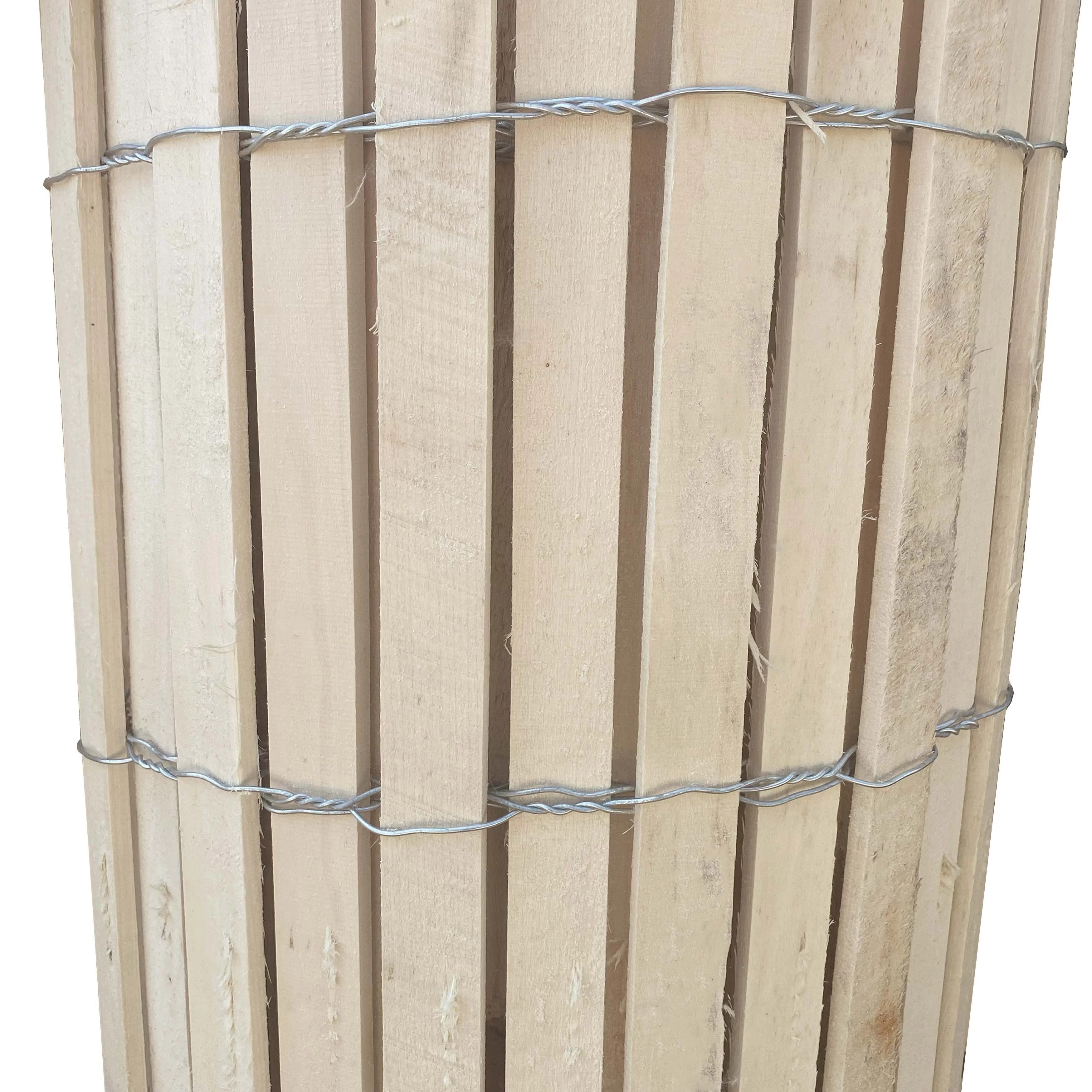
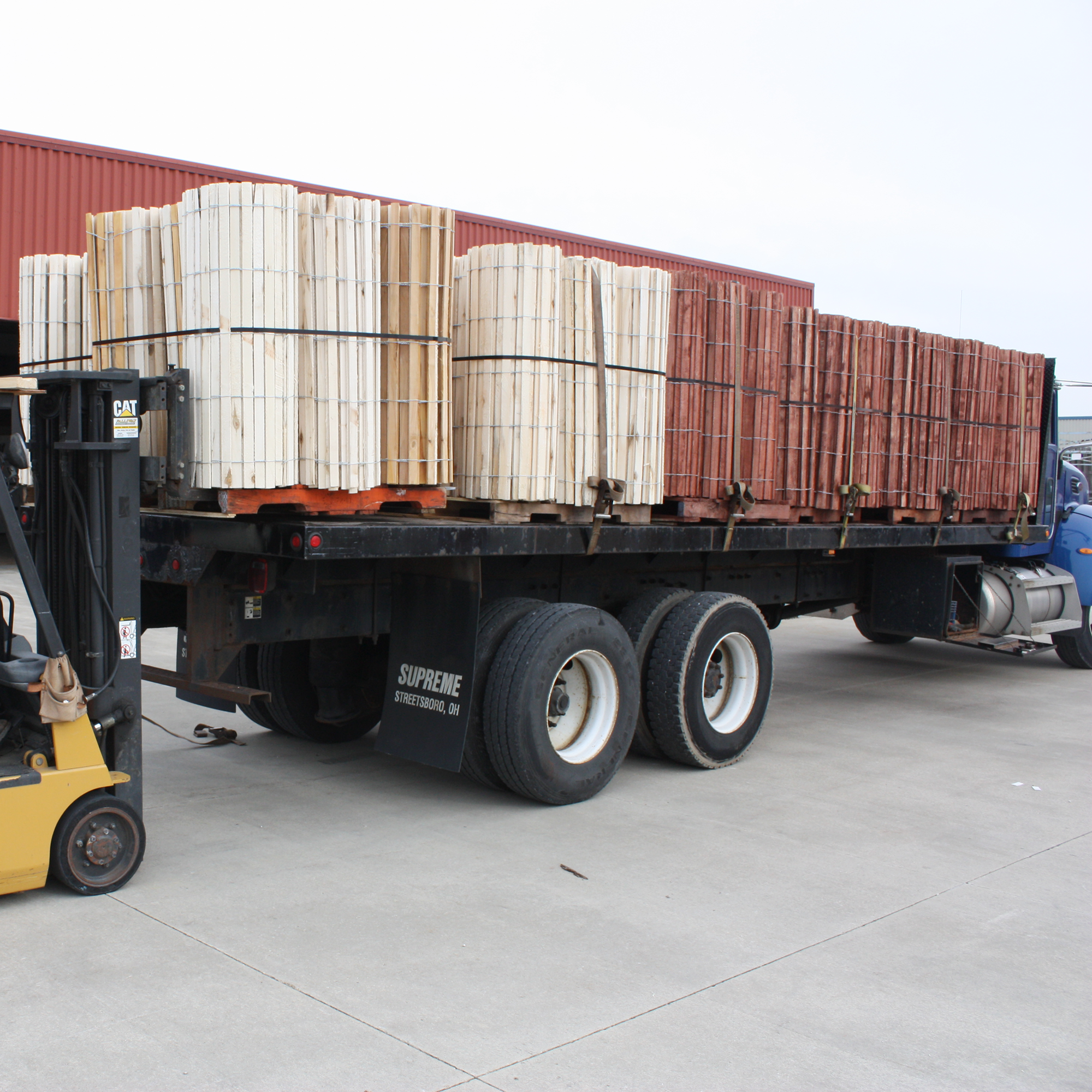
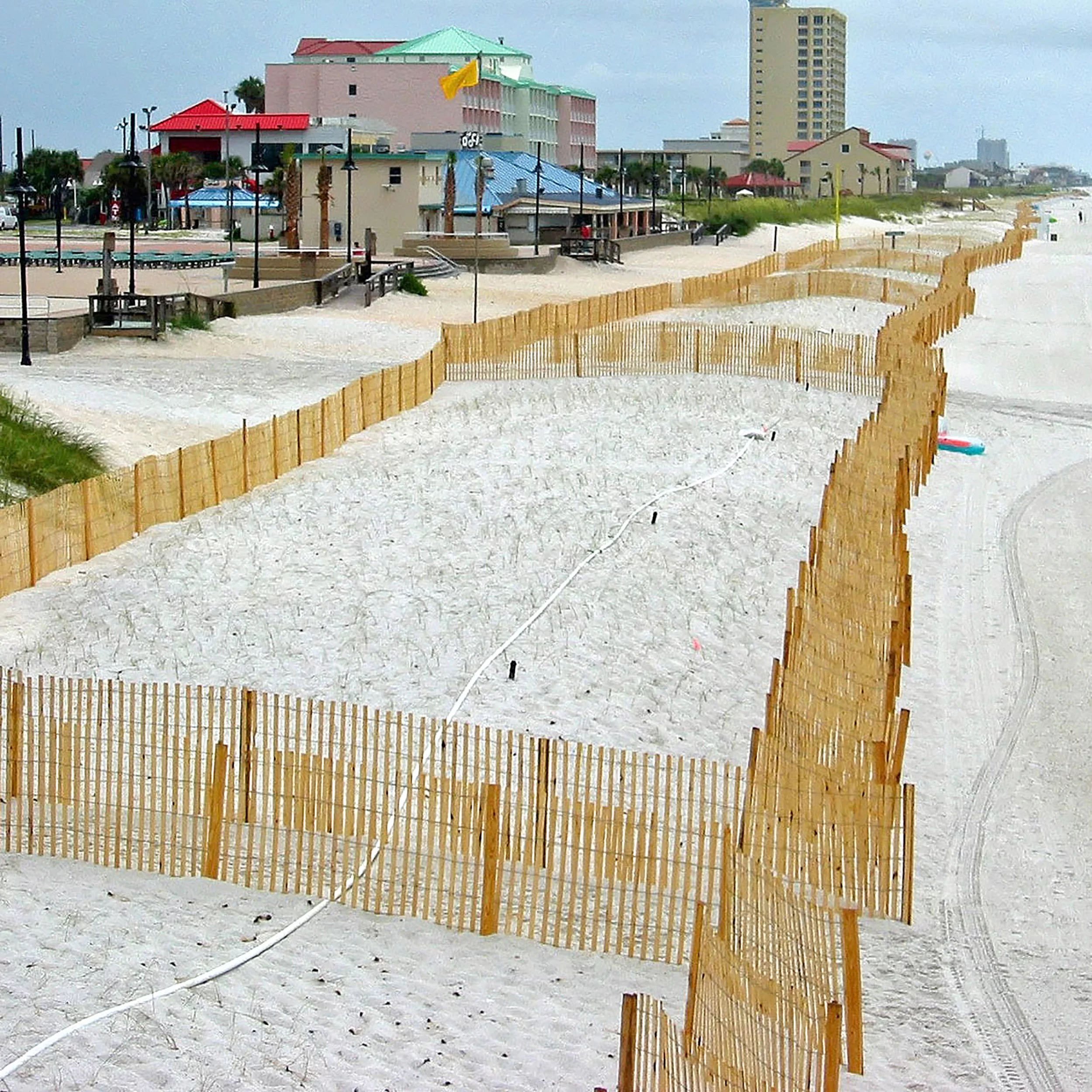
Our wooden sand and snow fence is made from high-quality aspen and spruce wood lath, woven with 13-gauge galvanized wire for extra durability. This rugged design withstands harsh winter conditions and is ideal for controlling snow drifts in a variety of environments. Traditionally used along highways and airport runways, wooden snow fencing helps reduce snow buildup in high-traffic areas where plowing is difficult or costly. In fact, snow fences are about 100 times more cost-effective than mechanical snow removal. They're also a valuable tool at ski resorts, where controlled snow accumulation helps maintain skiable terrain.
When installed strategically along roadsides, runways, and access routes, snow fences streamline snow management, making snow clearing faster, safer, and more cost-efficient. Beyond snow control, these fences also offer a natural, aesthetically pleasing alternative to plastic snow fences. Natural wood blends well with rural and scenic environments, which is especially advantageous in agricultural areas. In farming and ranching, wooden snow fences help collect snow that later melts, providing valuable water for crops and livestock and improving water retention and soil health. They also stop tumbleweeds from spreading across open land and becoming nuisances near homes, barns, or other sensitive areas.
How Does a Snow Fence Work?
The science behind snow fencing is straightforward yet remarkably effective. When wind passes over a snow fence, it creates an eddy, a circular wind current, on the downwind side of the fence. This airflow disturbance causes wind speed to vary, depositing snow primarily on the windward side of the fence. As a result, snow forms a drift in a controlled location rather than building up where it might cause issues. To work properly, a snow fence should leave the bottom 10% to 15% open. This prevents snow from accumulating directly beneath the fence, which would otherwise reduce its height and limit its effectiveness.
Proper placement of snow fencing is key; it is usually set at a distance upwind from the area you want to protect, depending on local wind patterns and expected snowfall. When installed correctly, a well-designed snow fence can significantly reduce snow removal costs and help protect property and infrastructure throughout the winter season.
Multi-Purpose Utility of Wooden Snow Fence
Although originally designed for snow control, wooden snow fencing is a highly versatile product that can be used in a wide range of settings beyond just snowy landscapes. Its flexibility, durability, and natural appearance make it suitable for temporary and permanent use across various industries and applications:
Crowd Control at Events
Wooden snow fence is frequently used as a reliable crowd control barrier at outdoor festivals, concerts, and sports events. Its lightweight yet sturdy construction allows for quick setup and easy takedown, making it ideal for short-term crowd management. It also creates a clear physical boundary without a harsh, industrial look, which is especially desirable in public or scenic venues.
Construction Site Perimeter Fencing
Contractors and construction managers often use snow fencing to mark off-site perimeters and restricted zones. It acts as a temporary barrier that helps prevent unauthorized access and keeps workers and pedestrians safe from hazards. The fence's durability ensures it holds up against wind, equipment movement, and weather exposure throughout a project.
Temporary Land Management and Trail Protection
Snow fence is an effective solution for creating temporary barriers around land parcels, retention basins, and ski trails. It's especially useful in areas where seasonal protection is needed to direct traffic, control erosion, or safeguard environmentally sensitive zones. Once its purpose is fulfilled, you can easily remove and reuse the fence elsewhere.
Using Snow Fence as Dog Fencing
Snow fencing also serves as a practical and affordable dog fence for pet owners and event organizers. Many customers purchase our wooden snow fencing specifically for dog shows, training courses, or to create temporary dog runs in open areas. Its lightweight design allows quick installation while providing a secure enclosure that prevents dogs from wandering off. Unlike chain-link fencing, which can be costly and permanent, snow fence offers a reusable, budget-friendly solution you can set up and take down as needed. Its natural wood appearance blends well into yards and outdoor event settings, making it an attractive option for both private use and public dog events.


Frequently Asked Questions About Wooden Snow Fence
What Is A Wooden Snow Fence Used For?
A wooden snow fence is primarily used to control and redirect drifting snow in open areas. It helps keep snow off roadways, driveways, and airport runways, making travel safer and snow removal more efficient. In agriculture, it captures snow for improved water retention in the spring. It can also be used for crowd control, construction site safety, and temporary fencing solutions.
How Does A Snow Fence Work To Control Snow?
Snow fences work by slowing down the wind, which causes snow to drop and accumulate in a controlled area. As wind passes through the fence, it creates turbulence and a pressure drop that causes snow to settle on the windward side. This keeps snow from drifting onto roads, driveways, and other important areas. Proper placement and spacing are essential for the fence to function effectively.
Can I Use A Wooden Snow Fence As A Dog Fence?
Yes, wooden snow fences are often used as affordable, temporary dog fences. They are especially popular at dog shows and events where quick setup and takedown are important. The fence provides a clear and safe boundary to prevent dogs from escaping or entering restricted areas. Its sturdy, reusable construction makes it a cost-effective alternative to permanent fencing.
How Do I Install A Wooden Snow Fence?
To install a wooden snow fence, position it perpendicular to prevailing winds and upwind from the area you want to protect. Leave about 10% to 15% of the fence height open at the bottom to prevent snow buildup directly underneath. Use sturdy fence posts spaced approximately 8 feet apart and fasten the fence securely. Make sure the fence is taut and properly supported to withstand wind and snow pressure.
How Long Will A Wooden Snow Fence Last?
With proper installation and storage, a wooden snow fence can last several seasons. The galvanized wire and quality wood lath provide durability against snow, wind, and moisture. To extend its lifespan, store the fence in a dry area when not in use. Inspect regularly for damage, and repair or replace sections as needed.
Is A Wooden Snow Fence Better Than A Plastic One?
Wooden snow fences are often preferred for their durability, natural look, and environmental benefits. They are sturdier in high-wind and heavy-snow conditions compared to many plastic alternatives. Wood fencing also blends better in rural and scenic settings. While plastic fences may be lighter and easier to handle, they may not last as long or perform as effectively in demanding environments.
Contact Us
If you're looking for a reliable, cost-effective solution for snow control, crowd management, or temporary fencing, our durable wooden snow fence is the perfect choice. Made from natural aspen and spruce with galvanized wire, it's built to withstand the elements and serve multiple purposes year after year. Whether you need to manage snow drifts, secure a worksite, or create a safe space for pets, this versatile fencing does the job. We're happy to help you find the right fence for your specific needs and application. Reach out today to speak with a fencing expert or place an order; we're here to assist you!
Contact Us