What is Sand Fencing? The Benefits of Wooden Sand Fence
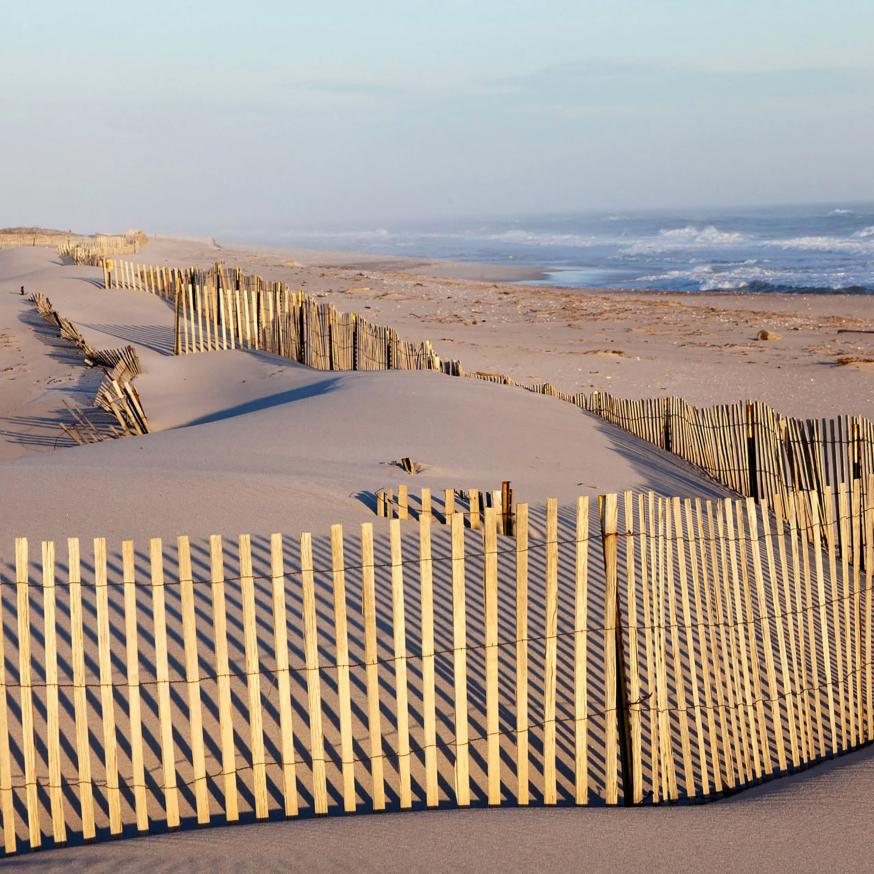
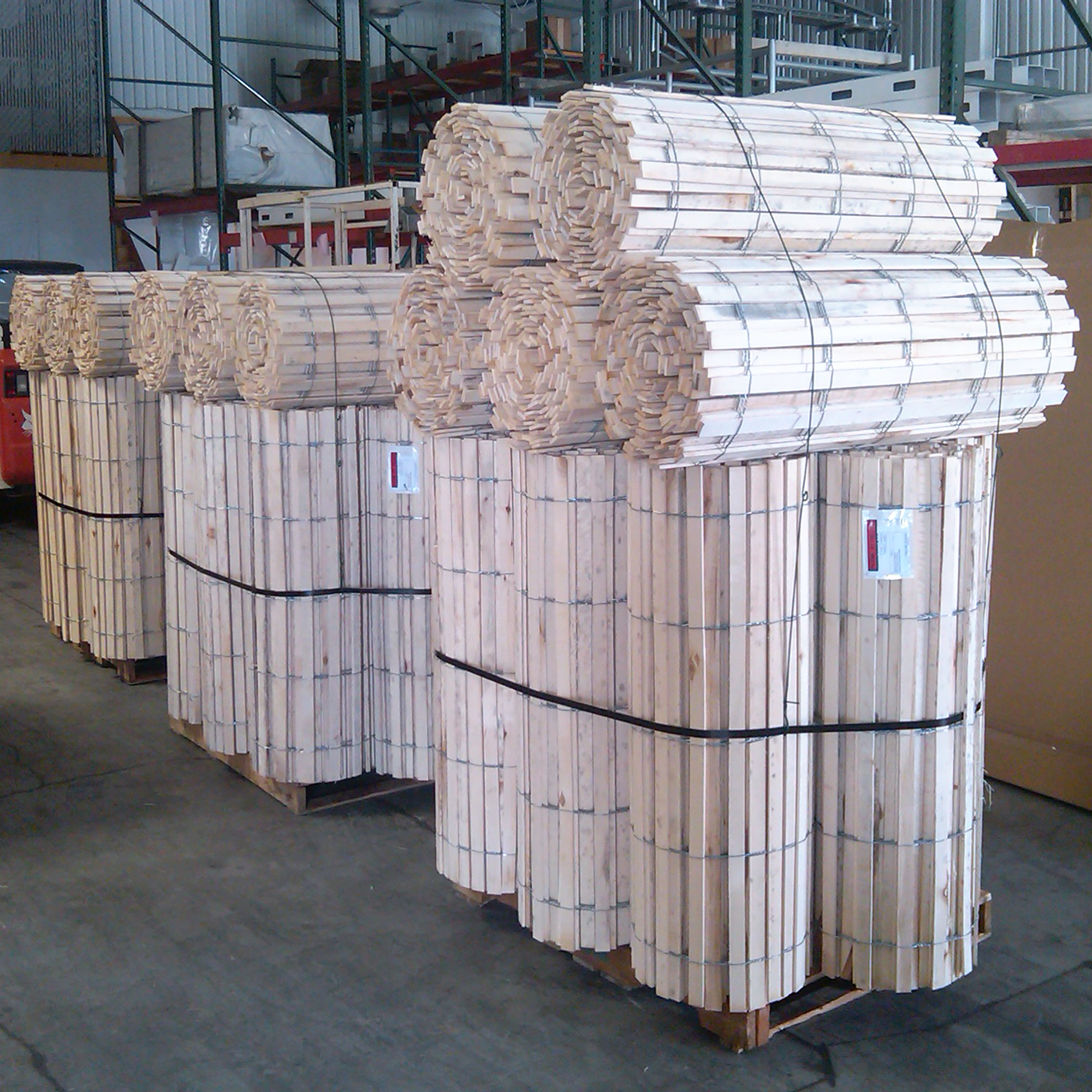
Sand fence is pre-woven rolls of aspen or spruce wood laths joined with 13-gauge galvanized steel wire, sold in 4' x 50' rolls, and its core job is simple: controlling windblown sand. The mechanism is elegant; as wind passes through the evenly spaced slats, it slows down and drops its sand load at the base of the fence, building sand where you want it and keeping it out of where you don't. It's an affordable, natural way to manage sand, restore dunes, and protect coastlines.
What Are the Benefits of Sand Fencing?
Dune Stabilization and Beach Preservation
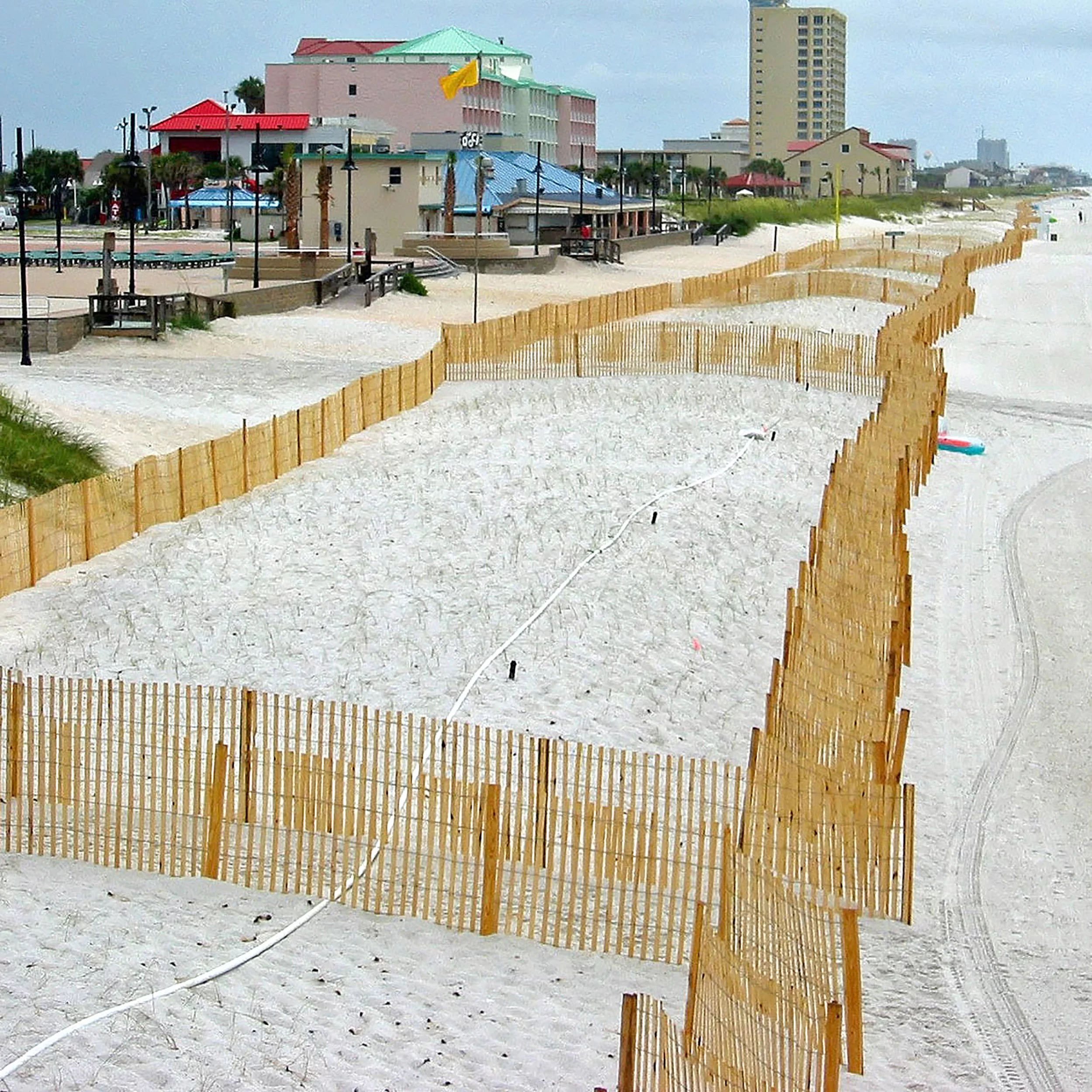
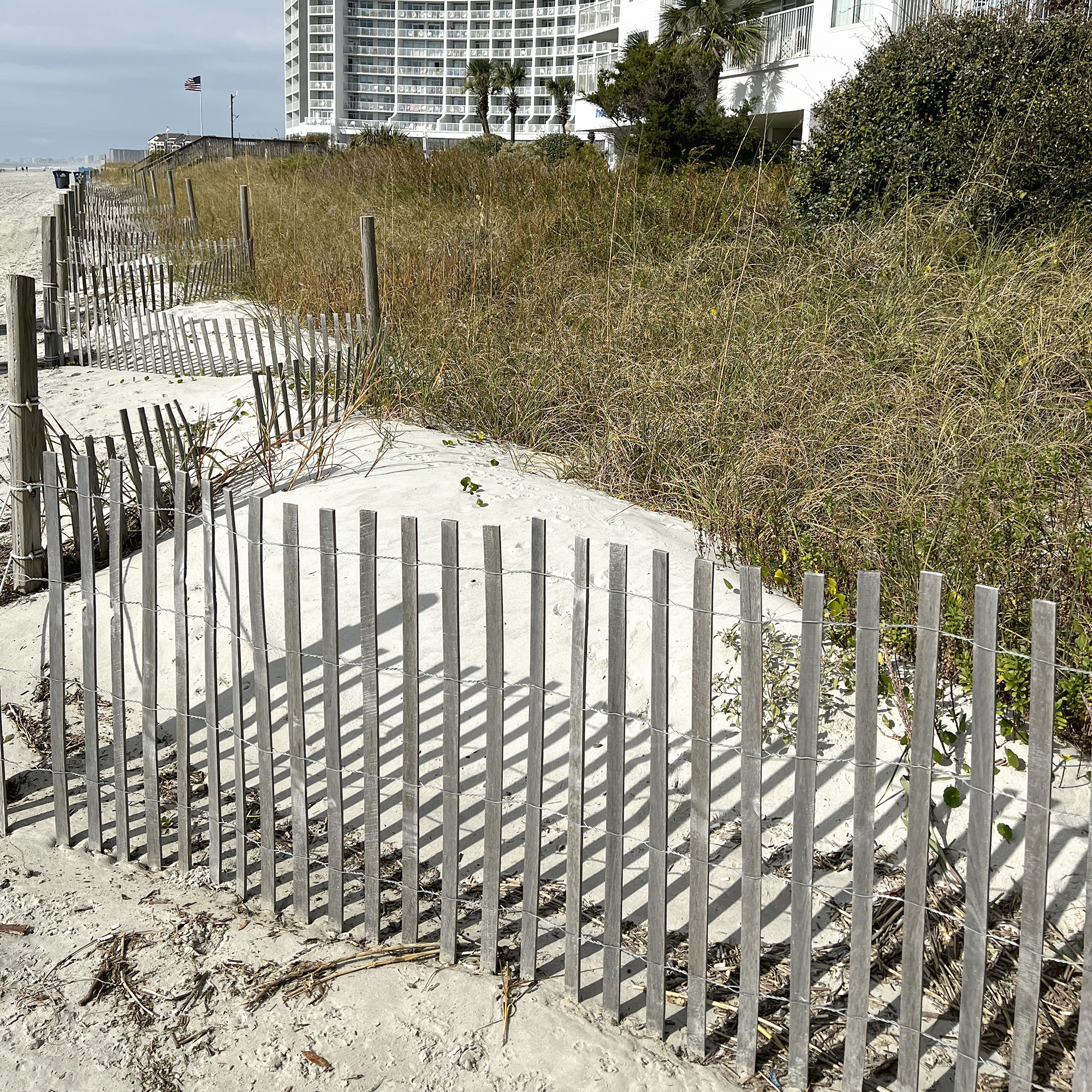
Dunes protect beaches from erosion and provide critical habitat, and a properly placed fence helps rebuild them by drawing windblown sand into the dune system. Sand fencing is a low-cost, easy-to-install "soft" solution; unlike seawalls and revetments, it doesn't reflect wave energy or interrupt the natural erosion and accretion cycle. Since dunes are the most natural line of defense against coastal erosion, a sand fence fortifies that soft structure.
Coastal Erosion Control for Properties and Municipalities
Oceanfront homeowners, commercial properties, and municipalities choose sand fences because they're affordable, effective, and reliable, and they're often paired with dune nourishment and vegetation planting for even greater protection.
Highway and Airport Runway Safety
In desert and coastal regions, drifting sand is a visibility and safety hazard, and sand fence keeps it off roads and runways. The drift builds up at the fence line instead of blowing across lanes.
Construction Site and Landscaping Uses
On job sites, sand fence contains dust and dirt, keeps the mess off sidewalks and roads, and doubles as a simple perimeter and trespass barrier. It also wraps around piles of dirt or leaves and works as clean, simple landscape edging.
Other Common Uses
Beyond the beach, the same rolls handle crowd control at events, garden and dog fencing, vegetation prevention barriers, and drift control around roadways and construction sites.
How to Install a Wooden Sand Fence
- Check local rules first. Post type, post spacing, and beach preservation restrictions vary by municipality, engineer, and project, so verify before you buy.
- Map the layout. Place the fence as far landward as possible, well behind the high tide line, and roughly perpendicular to the prevailing wind.
- Set the posts. Use steel T-posts or sturdy wood posts; keep coastal posts small, no larger than 2" x 4" rectangular or 3" diameter, to limit scour around them.
- Attach the fence. Sandwich the vertical wire strand between the flat side of the T-post and a 1" x 2" wood slat, or wrap studded T-post fastening clips around the post and cinch them with pliers.
- Tension by hand only. Mechanical tensioners are not recommended for wood slat fences; pull them snug by hand.
- Maintain and extend. When the fence is about two-thirds buried, add a second row on the seaward side to keep the dune growing.
Wooden Sand Fence Q&A
Why use wood instead of plastic?
Wood is generally less expensive and offers a natural look that blends into the environment, which is especially valuable near beaches, where plastic can be harmful. Coastal agencies actively recommend wood: plastic, polyethylene, and metal fences are discouraged for coastal use because of their environmental impacts, while untreated wood breaks down naturally if lost in a storm instead of persisting as marine debris.
Won't a wood fence just fall apart?
It's designed as a semi-temporary erosion tool; the fence intentionally traps sand, becomes buried, and eventually becomes part of the dune, so storm loss and maintenance are expected, not failure. Durability comes from construction: aspen/spruce laths woven with five double strands of 13-gauge galvanized wire deliver strength and a long service life, and the redwood-stained version adds moisture protection. Rolls are also reusable; roll them up at season's end, store them dry, and inspect for broken slats or wires before reinstalling. And if a storm does destroy a fence, untreated wood and wire create far less debris than treated wood, plastic, or metal.
Is sand fence the same as snow fence?
Yes; same construction, same product. In northern climates, the identical wooden slat fence is sold and used as snow fence to trap drifting snow, which is where our store's name comes from.
Ready to Get Started?
If you have any further questions, please reach out to our representatives. They are happy to help in any way they can!
Contact Us