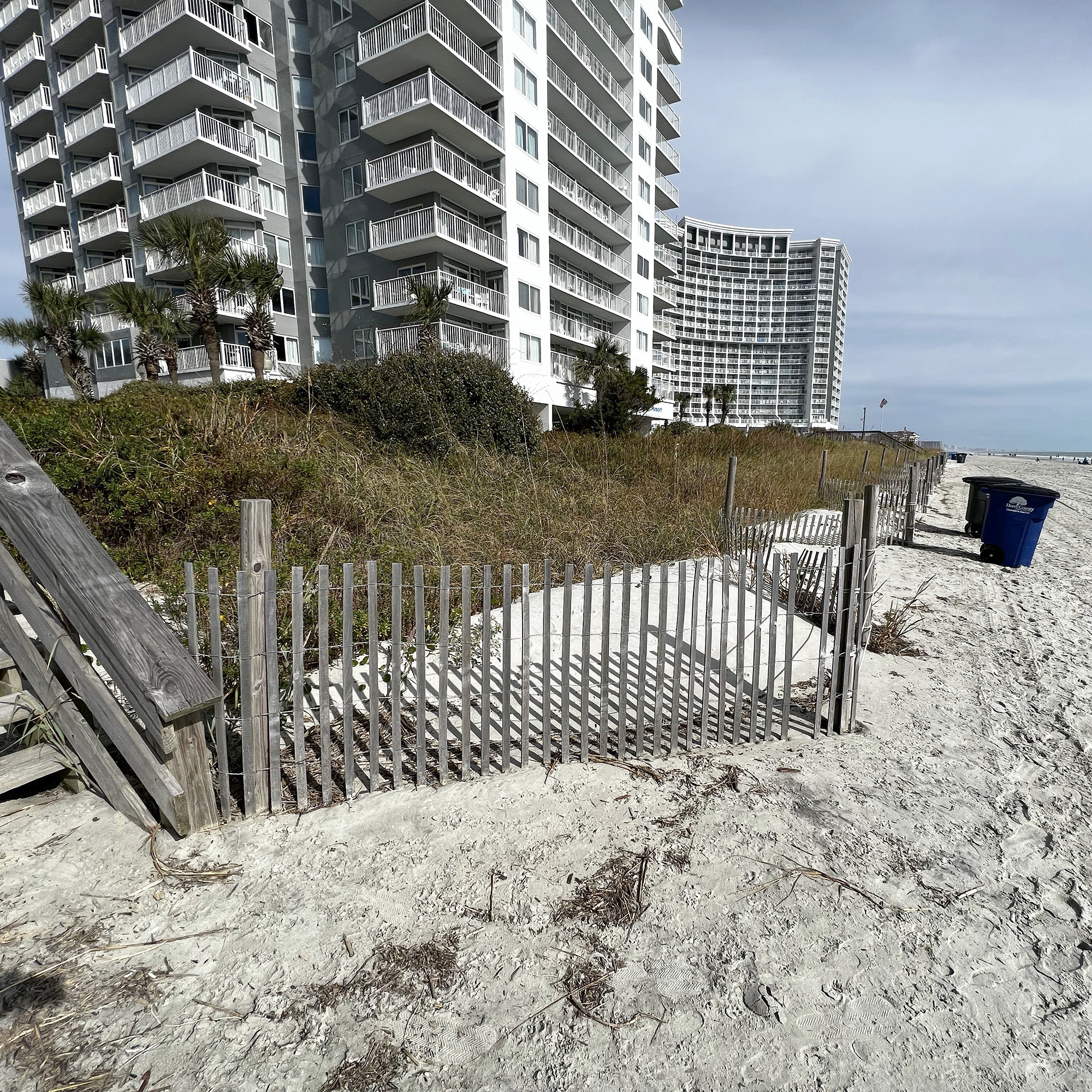
Why Do Beaches Have Wood Fencing?
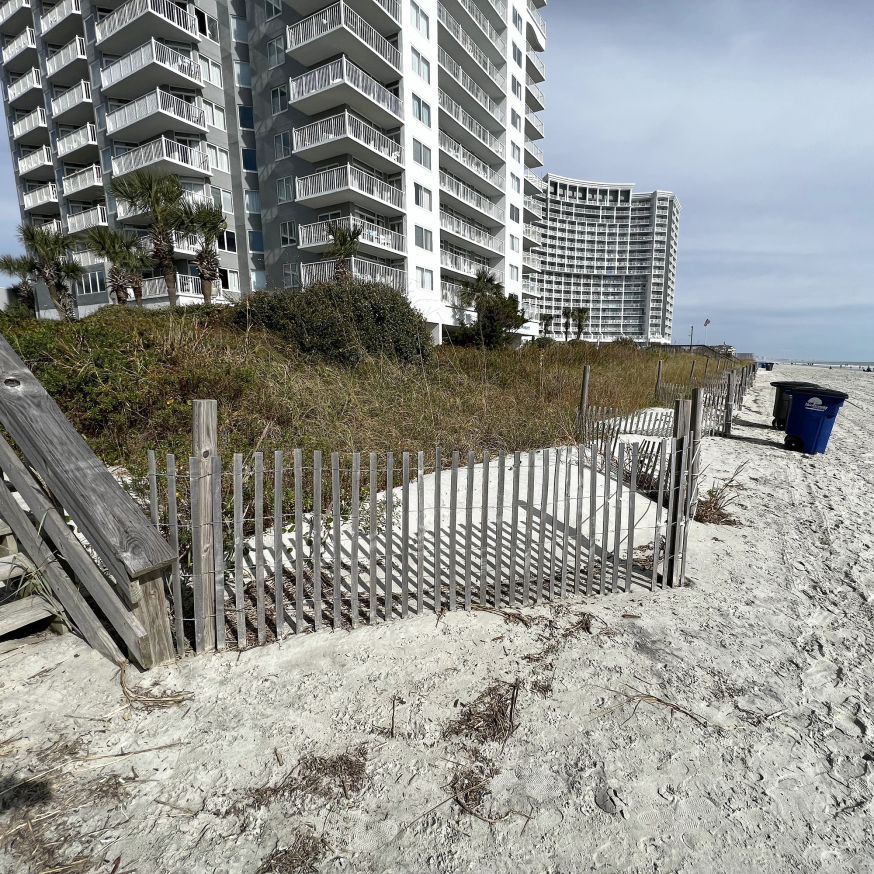
If you've ever walked a shoreline and wondered about those slatted wood fences running along the back of a beach or across the dunes, you've spotted one of coastal management's oldest tools and the short answer to what they're for is simple: they're not there to keep people out; they're there to manage sand. Wind fences reduce wind velocity and trap blowing sand, working much like snow fencing, causing the wind to drop and pile sand in a desired location instead of stripping it away. That humble wood fence is quietly building and protecting the dune system that protects the beach, and everything behind it.
The Short Answer: To Catch Wind-Blown Sand
Beach fences are barriers made of small, evenly spaced wooden slats (or fabric), erected to reduce wind velocity and to trap blowing sand. The spaces between the slats let wind pass through but slow it down, causing sediment to drop out and deposit along the fence line; over time, that accumulation builds the dune itself. It's an effective, environmentally friendly way to preserve beaches and restore dunes.
Why Wood, Specifically?
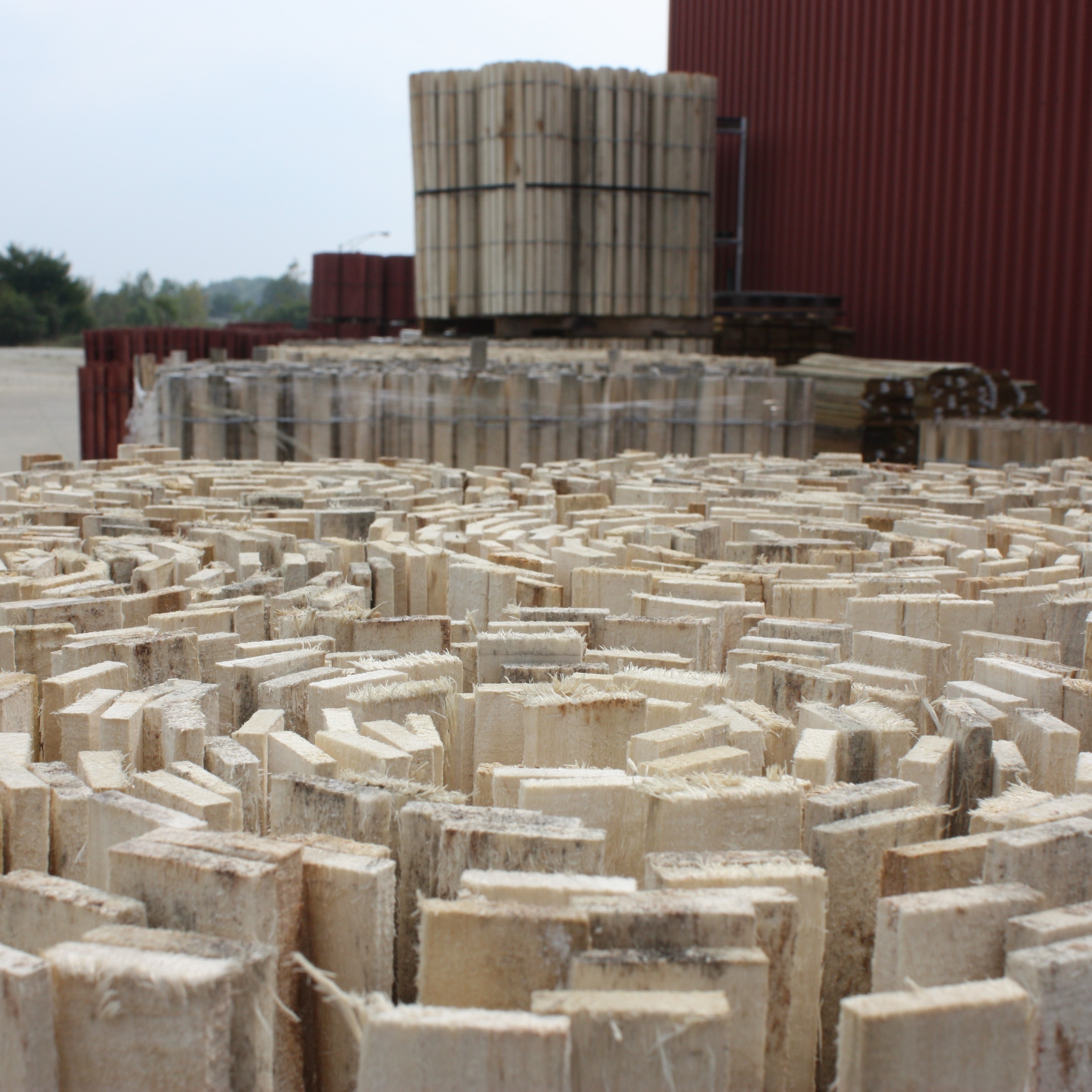
Left natural (no paint, stain, or preservatives), a wooden sand fence blends into the coastal landscape and is biodegradable, so a storm-torn section breaks down rather than lingering as debris. That matters when you compare the alternatives: plastic and polyethylene fences must be specially UV-stabilized and persist as litter if storms carry them off, while treated lumber and metal are discouraged in most coastal programs. Wood is also practical; wind fences are relatively inexpensive to purchase, install, and maintain because they're small, lightweight, easy to transport, and made of low-cost materials.
What Beach Fence Is NOT For (Common Myths)
A sand fence isn't a crowd barrier in itself, though it does help steer visitor pathways away from sensitive dune and beach habitats, and it's definitely not a flood wall; a wind fence does nothing to control sediment carried in stormwater runoff and offers no storm protection on its own. Research consistently treats fencing as one tool among several, with decisions made site by site. It's also not a permanent fixture: coastal managers plan for eventual replacement, removal, and storm loss, including the debris risk posed by relict fencing left buried after severe weather.
Where You'll See Beach Fencing
You'll find wood slat sand fence everywhere coastal managers work: at national seashores including Cape Hatteras in North Carolina and Cape Cod in Massachusetts; along oceanfront homes, commercial properties, and municipal beaches where it's prized for being affordable, effective, and reliable; on construction sites and shorefront developments, where wind fences act as perimeter controls keeping sediment from blowing off-site and damaging roads, streams, and neighboring properties; and along highway shoulders and airports in sandy regions, where it stops drift from piling where it doesn't belong.
If you have any further questions, please reach out to our representatives. They are happy to help in any way they can!
Contact Us