Dune Fencing: How Semi-Permeable Fences Rebuild and Stabilize Sand Dunes
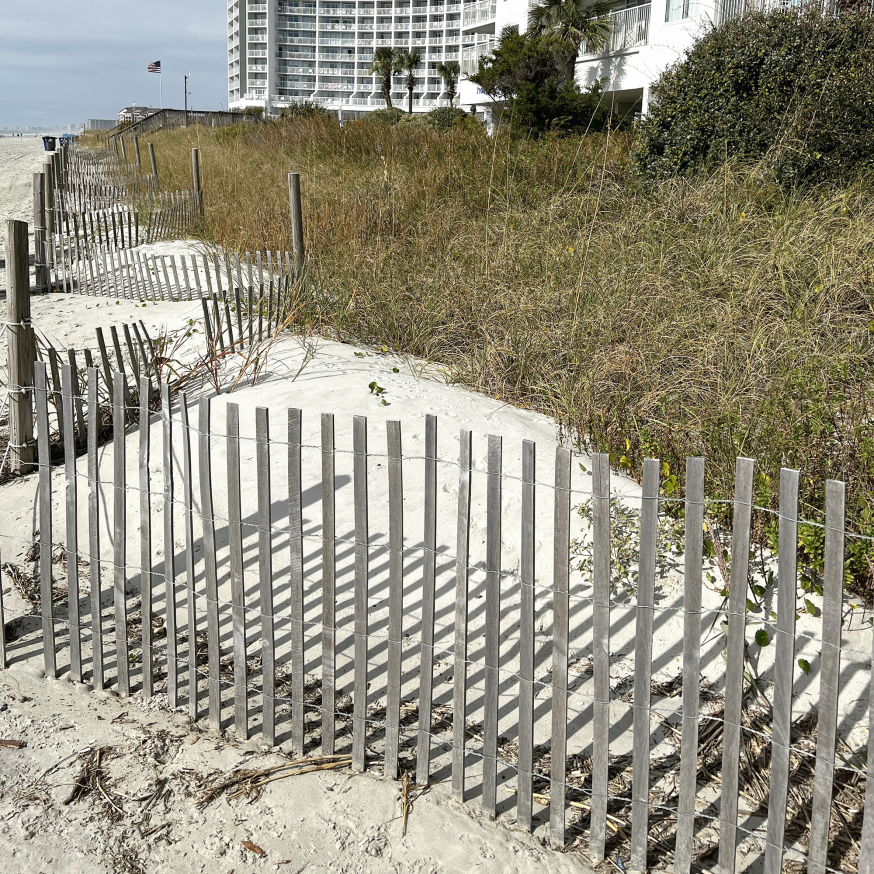
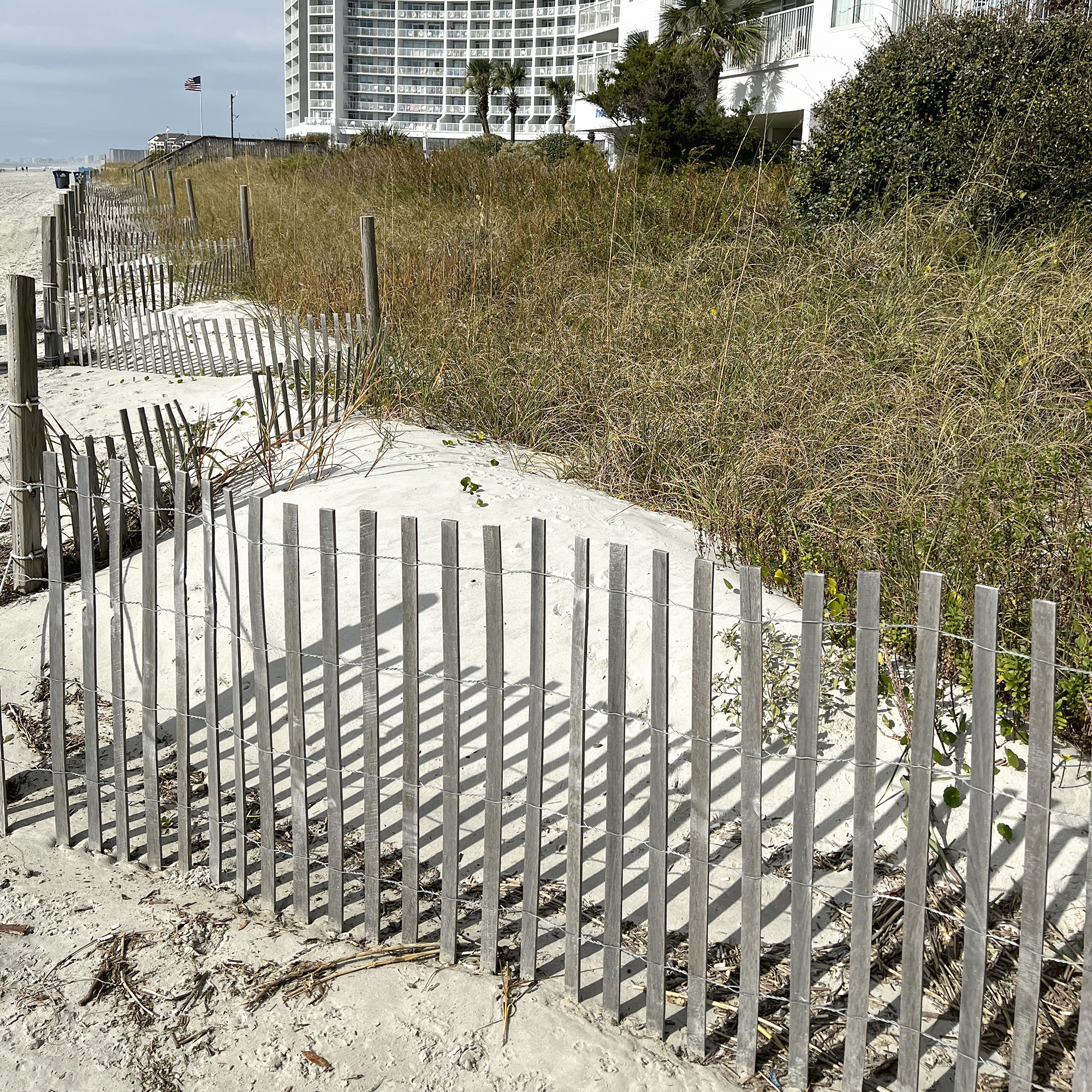
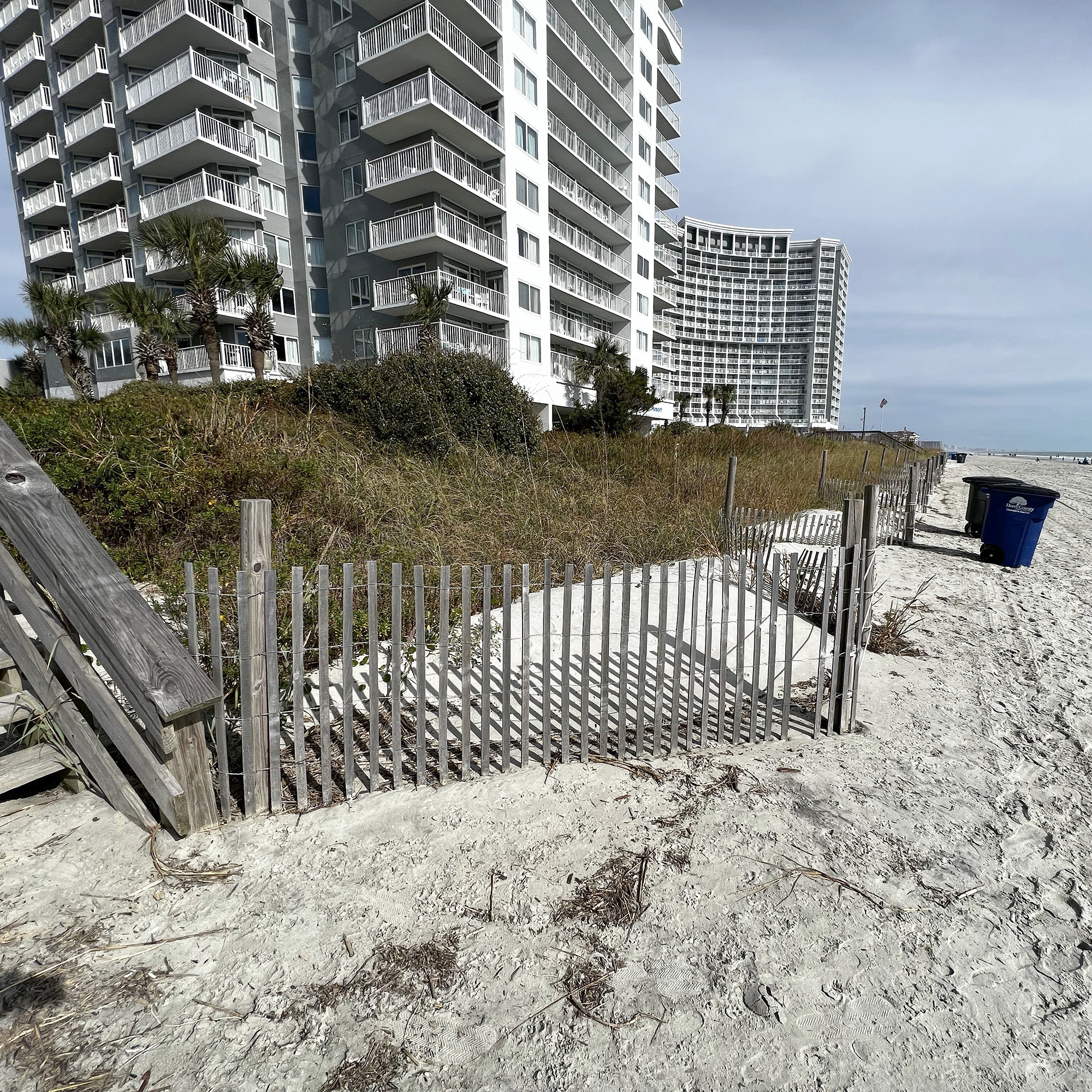
Dune fencing is the practice of building semi-permeable fences along the seaward or prevailing-wind side of a dune to encourage windblown sand to accumulate on the protected side, reduce foot traffic that tramples dune vegetation, and shelter both existing and newly planted plants. Because the fence slows the wind rather than blocking it entirely, sand drops out of the airstream and collects against it, building the dune rather than just defending it. Dune fencing doesn't just shield a dune; it grows a new one, if you match the fence to your wind, sand, and vegetation conditions.
What Is Dune Fencing?
Dune fencing is a semi-permeable fence placed along the seaward or prevailing-wind side of a dune, designed to trap windblown sand rather than block it outright; its two goals are preventing erosion and increasing vegetation cover. It's an area fence that accumulates sand, which sets it apart from the palisade and thatching "fences" used in dune stabilization projects, and its success hinges on four site factors: the fence's void-to-solid ratio (its porosity), the availability of wind-driven sand, how often wave activity reaches the fence line, and how much vegetation exists to hold accumulated sand in place.
Dune Fencing Benefits
Done right, dune fencing prevents erosion. It increases vegetation by giving new plants sheltered, sand-rich ground to establish in, while also reducing trampling and protecting both existing and newly planted growth. It's a recognized tool in broader land-restoration efforts; it contributes directly to UN Sustainable Development Goal 15 (Life on Land), which makes it an easy case to make to municipal and environmental reviewers, and it performs best when combined with companion techniques like dune planting and dune thatching rather than relied on by itself.
See Wood Dune Fence OptionsDune Fencing FAQs
Is dune fencing the same as sand fencing?
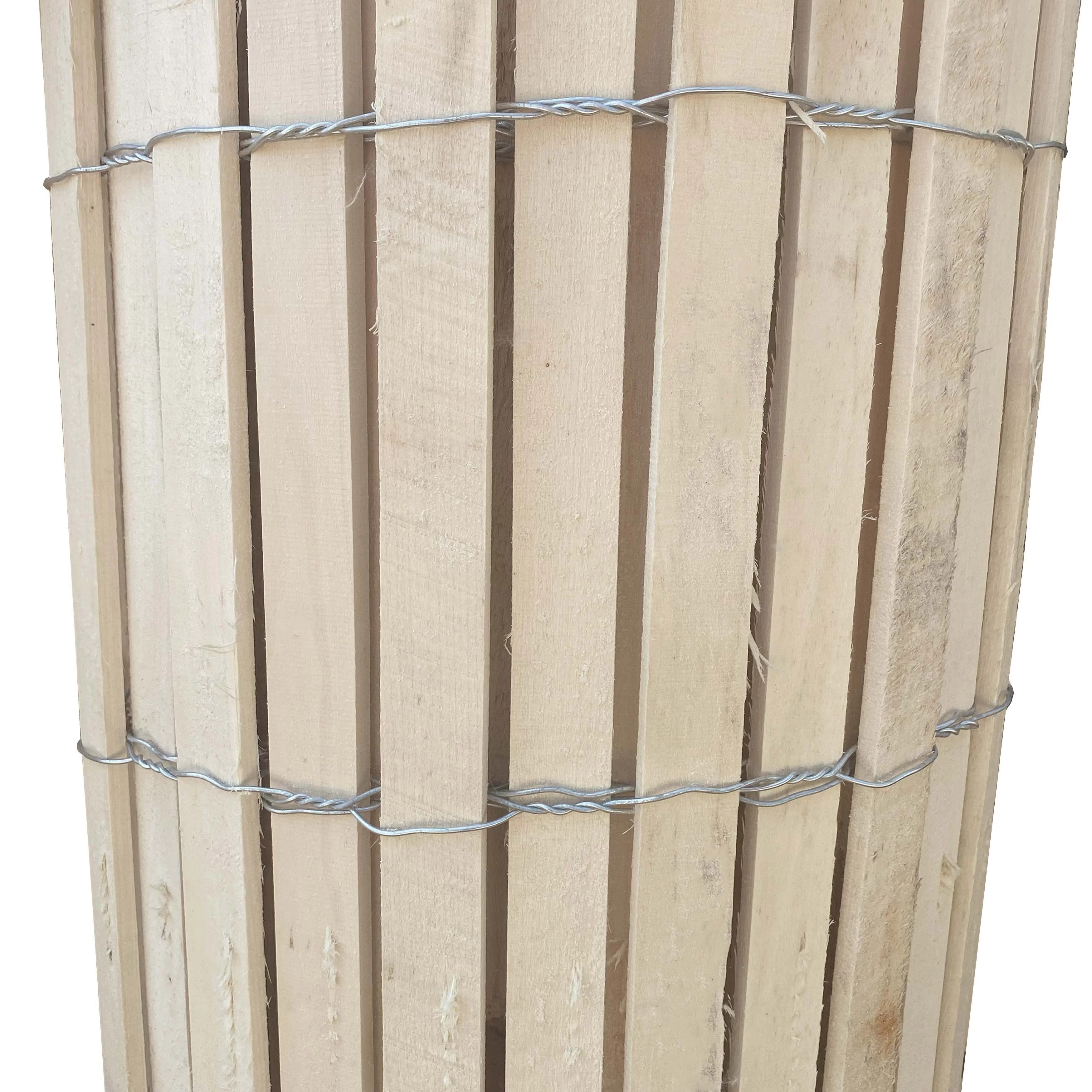
Essentially yes; same concept, different framing. "Dune fencing" is the restoration-technique term for what U.S. buyers call sand fence, and the construction is identical: a wooden slat fence held together with galvanized wire. If you've read our guides on wooden sand fence benefits and installation, you already know the product.
Can I use dune fencing by itself?
It works best as part of a system. The source framework pairs fencing with dune planting and dune thatching because the fence gathers sand, but vegetation keeps it there season after season.
How tall does a dune fence need to be?
Roughly 1 meter (about 4') is the standard height, which is exactly what our 4' x 50' sand fence rolls deliver in both natural and redwood-stained finishes.
How long until I see results?
Sand typically starts accumulating within the first season or two, but real dune growth takes years. Plan for a minimum 2- to 3-year protection period, and know that one documented case study tracked 15 years of gains in dune height and width.
If you have any further questions, please reach out to our representatives. They are happy to help in any way they can!
Contact Us